
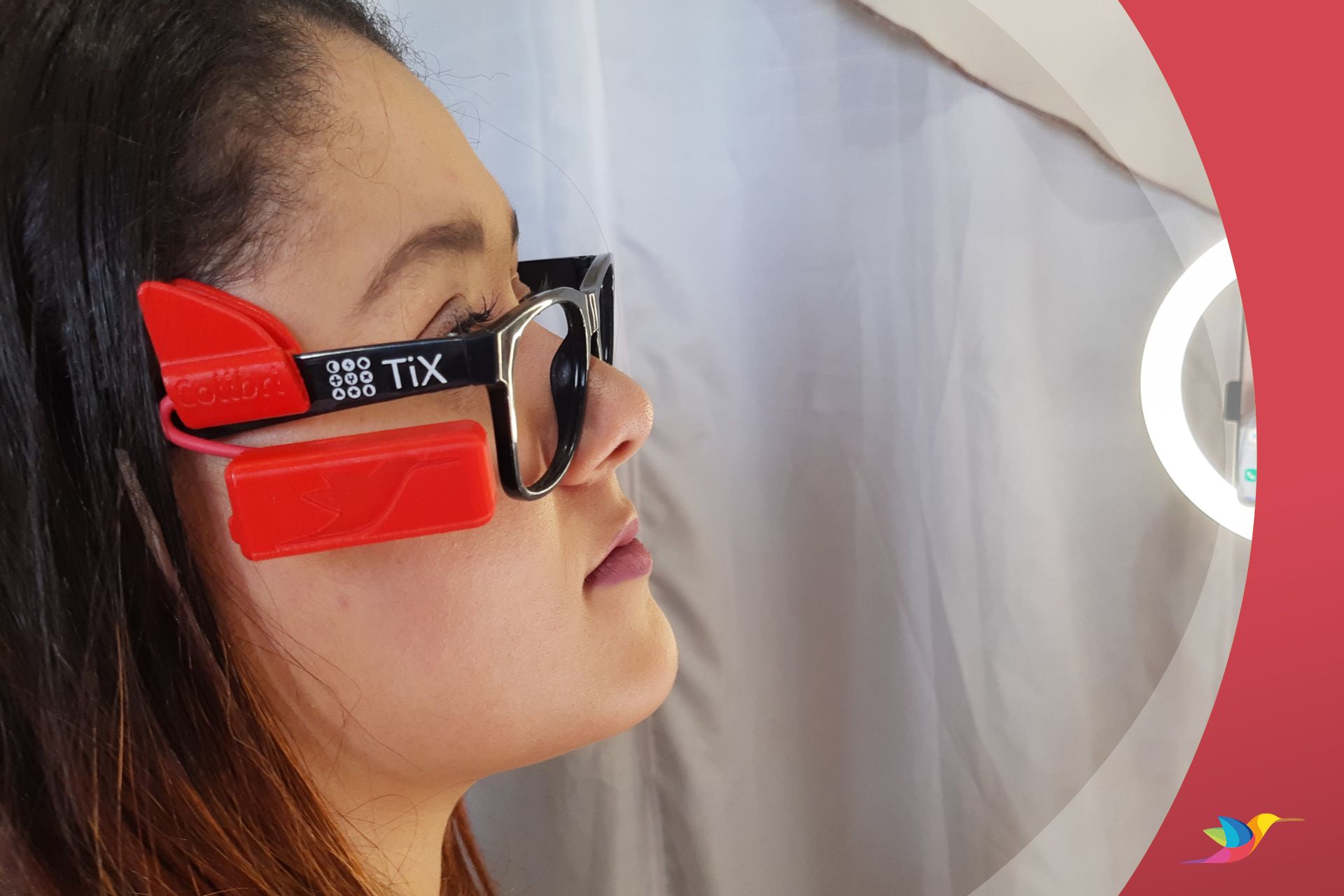
Assistive technology for people with disabilities is increasingly emerging as the ideal solution to enable accessibility and autonomy in activities that would otherwise be inaccessible. These resources are fundamental to guaranteeing access to information and communication, essential rights recognized by the United Nations (UN) for a more equitable society.
Technological solutions aimed at inclusion are specifically designed to promote autonomy and well-being in various everyday situations. Technologies with this purpose facilitate, for example, the independent use of the telephone, access to literature and entertainment, and online communication. Furthermore, they have significant potential in the field of education, where inclusion is increasingly valued and necessary.
Enhance accessibility and independence with assistive technology
In the pursuit of truly inclusive education, it is essential to seek techniques that guarantee the learning of students with disabilities in regular educational environments. Thus, by integrating teaching strategies with assistive technology for greater autonomy and accessibility, it is possible to improve the experience of these students, allowing them to perform the proposed activities independently. For this reason, it is crucial to consider assistive technology as a fundamental part of the current classroom environment.
In addition to contributing to inclusive education, it can play a significant role in the specific area of augmentative and alternative communication (AAC). This approach aims to develop techniques that allow interaction and expression beyond oral communication. Thus, AAC offers options for developing the communicative skills of these individuals in different modalities.
Through digital devices, such as adapted keyboards, electronic sensors, and a variety of applications, software, and platforms, assistive technology is developed taking into account the specific needs of individuals with disabilities. These digital resources are designed to facilitate handling, taking into account the particularities and difficulties of each individual.
Innovative Assistive Technology for Inclusion
The assistive technology services for greater accessibility and autonomy developed by Colibri represent an inclusive approach to promoting accessible communication and facilitating access to resources and social activities. Often, these activities are designed without considering the specific needs of each person.
In response to this gap, Colibri offers specialized services aimed at facilitating communication and social interaction. For example, Colibri allows users to control their phone and computer using only head movements, giving autonomy to those who cannot use their hands.
The tools offered by Colibri are designed to meet the specific needs of each user. This results in the creation of solutions that improve interaction experiences and promote the development of functional skills. This set of resources and practices plays an essential role in promoting inclusive education and facilitating alternative communication.