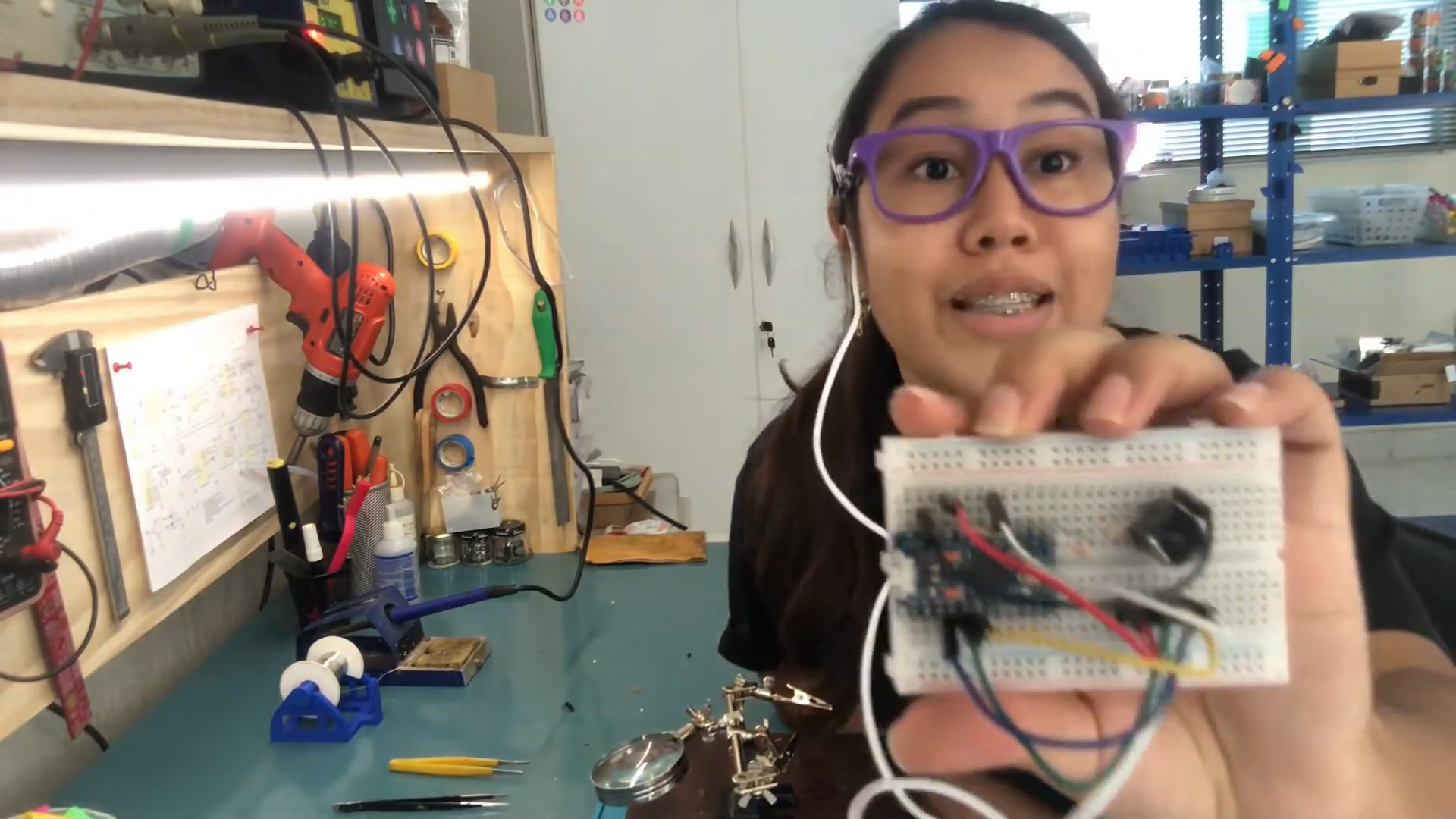
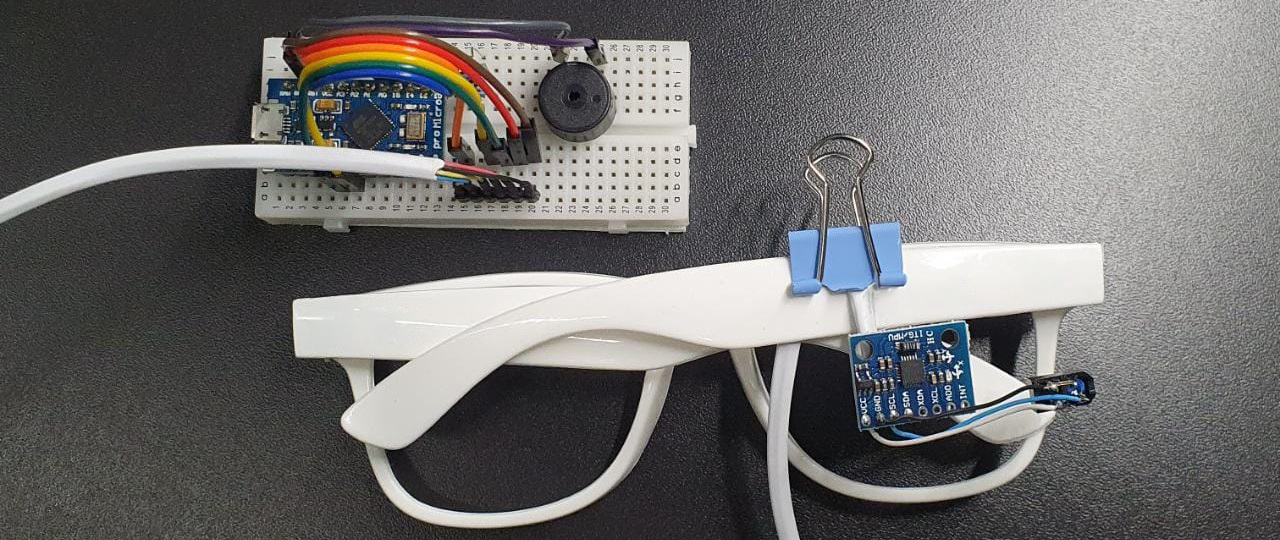
Colibrino was born from a simple idea: to make assistive technology more accessible to more people. Today, you can assemble your own mouse from scratch, with easy-to-find parts and a straightforward, step-by-step guide. Everything is designed to work truly well in everyday life.
Build your own Colibri at home
Here, you can also learn the story behind this solution that has been expanding the autonomy of people with motor limitations.
Overcoming barriers, in practice
It all started with a real challenge: helping Mikael, then 8 years old, who was born with arthrogryposis. Without movement in his arms and with reduced mobility in his legs, he found creative ways to use his cell phone, playing games with his mouth and tongue.
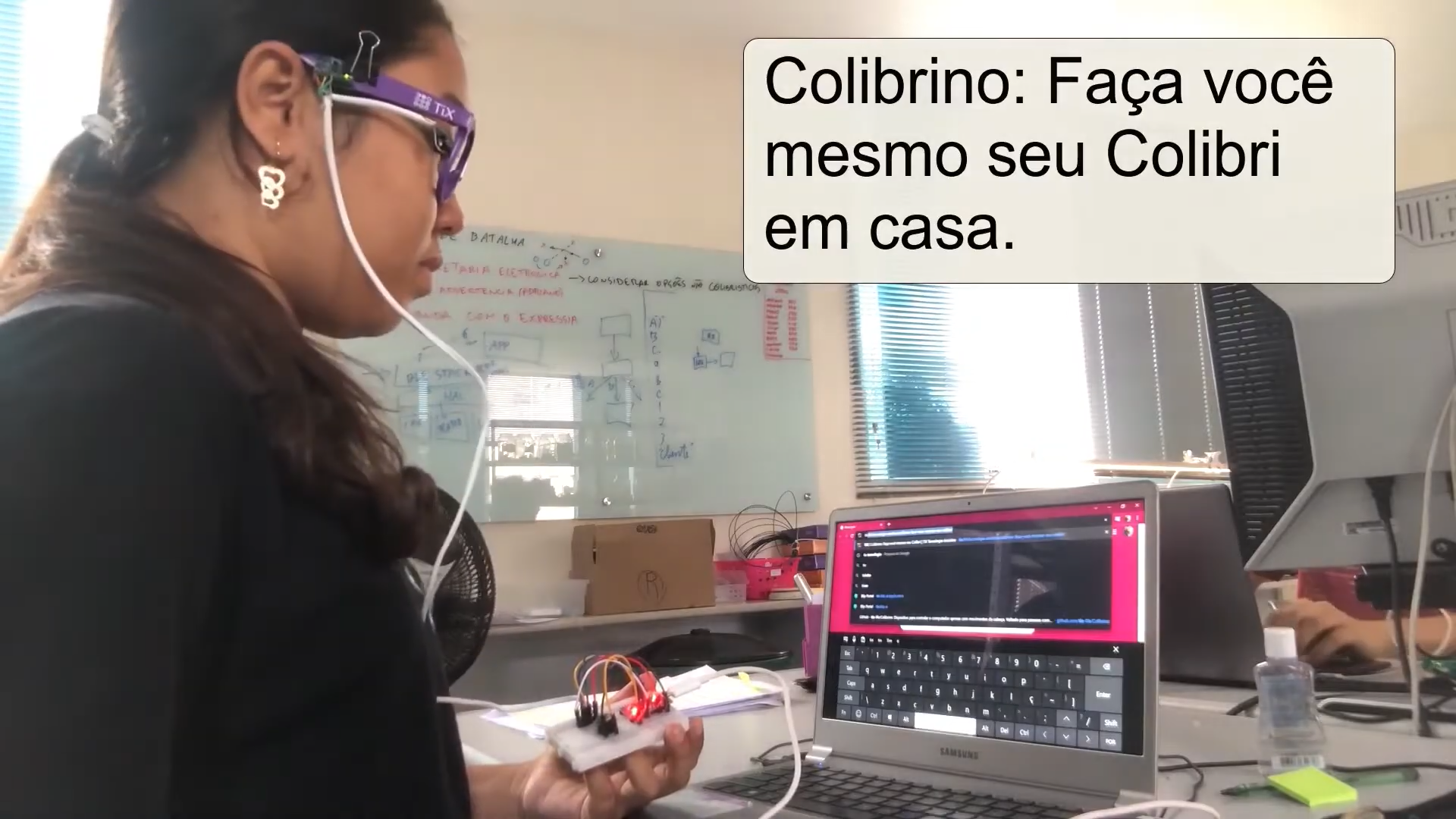
From this need, the first version of a head mouse emerged. It was a simple prototype, full of wires and adjustments to be made, but it already pointed to a promising path.
After testing, improvements, and much development, the device began to transform Mikael’s routine. He started playing online with friends and interacting more freely, being able to chat while playing, which was previously impractical.
This was the starting point for what has now become Colibri: a wireless, precise, and accessible head mouse, designed for true digital inclusion.
Colibrino: do it yourself
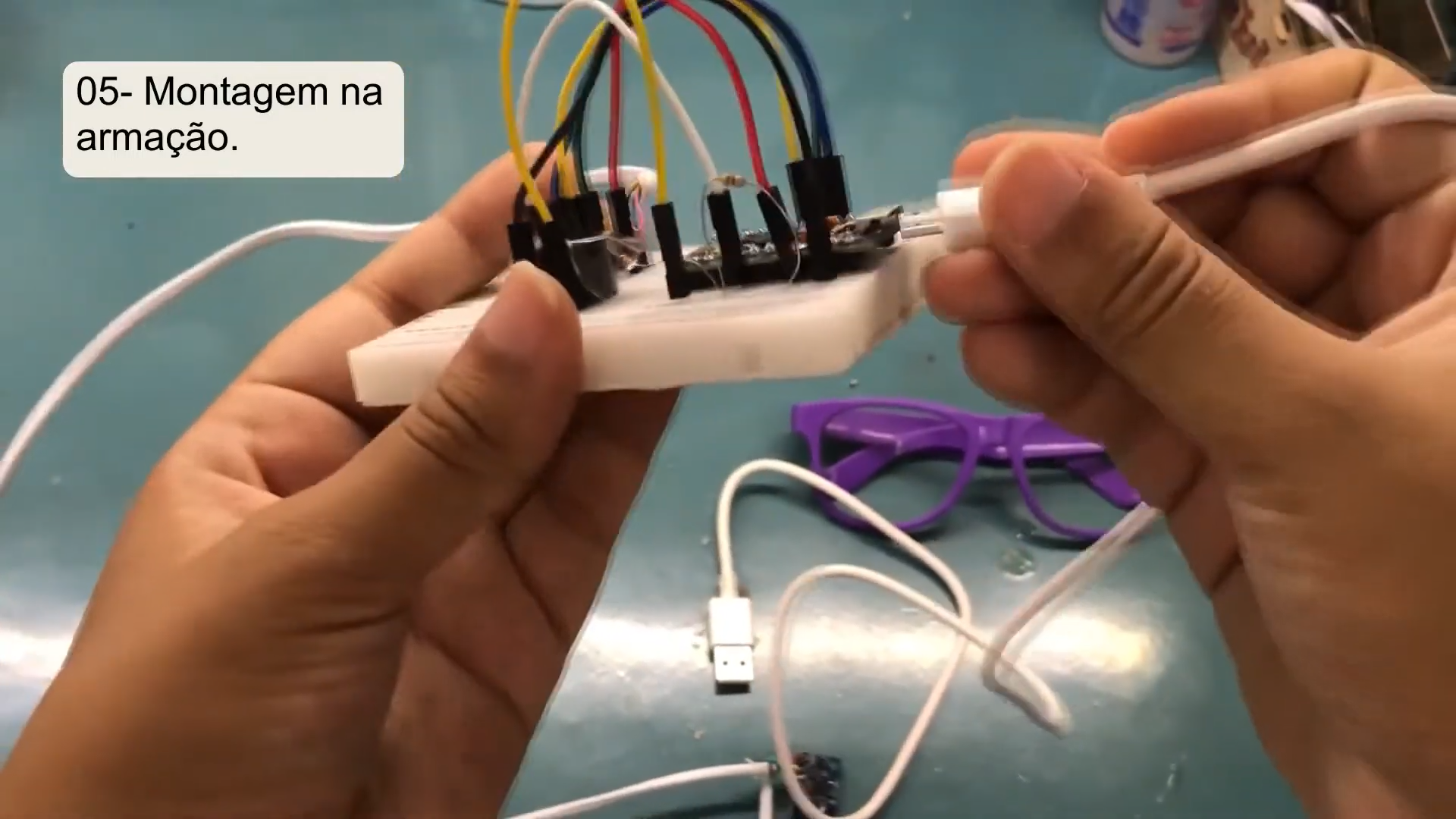
With the advancement of Colibri, a new question arose: what if more people could build their own version?
Thus Colibrino was born: an open-source project that combines the Colibri concept with the Arduino platform, known for its simplicity and accessibility for anyone wanting to create hardware.
With this approach, anyone can better understand the technology behind Colibri, assemble their own version with accessible components, and even adapt or improve the project according to their needs.
The project includes:
- complete parts list
- assembly instructions
- source code available online
After assembling, simply upload the code to the device. And that’s it!
Open, accessible, and evolving.
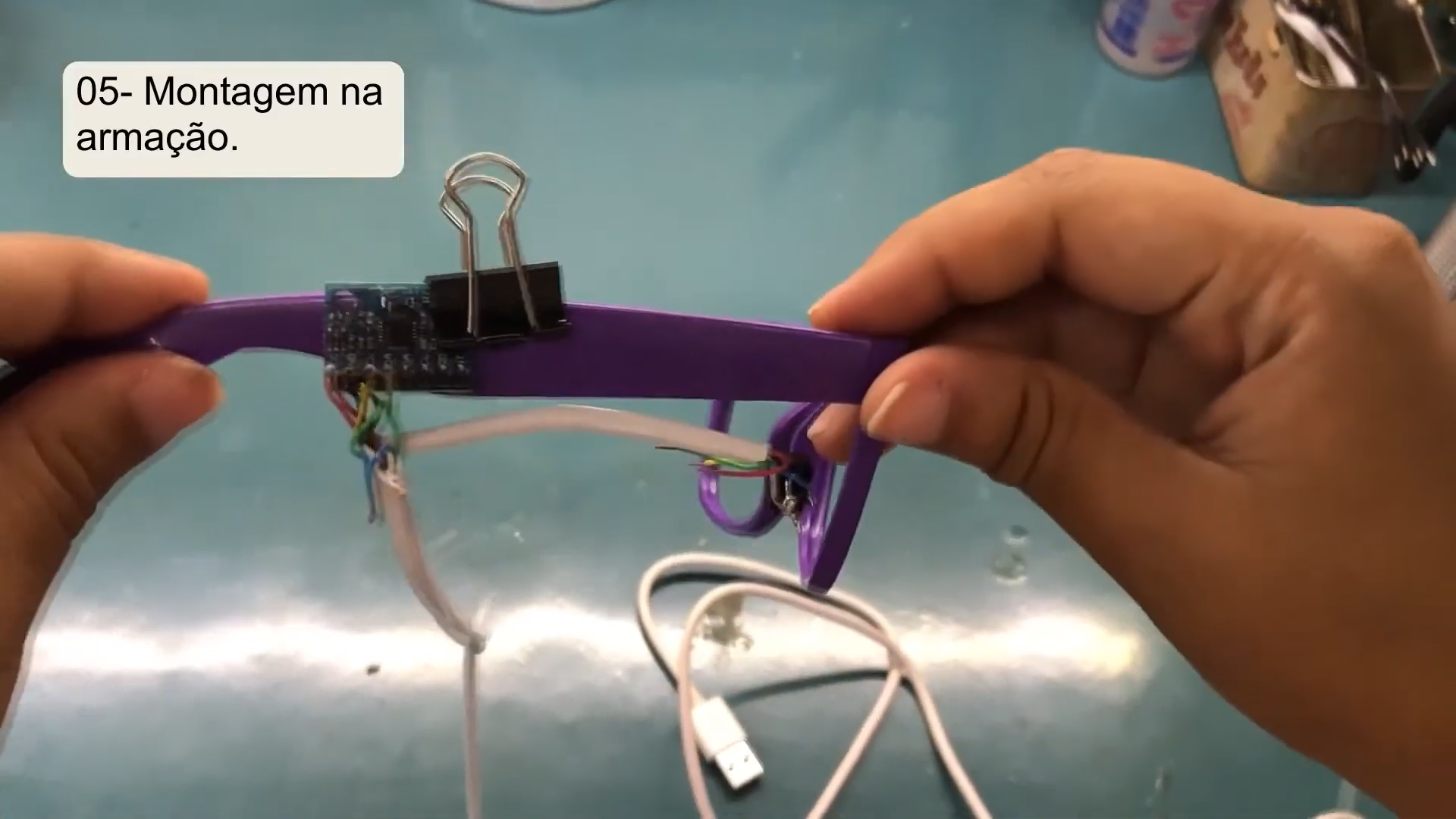
Colibrino was created to democratize access to assistive technology. It delivers solid performance and fulfills its function well, with the main difference being that it still uses wires, unlike Colibri.
More than that, it also opens up space for collaboration. Anyone can study the code, modify it, and propose improvements.
These contributions help evolve not only Colibrino, but also Colibri itself over time.
As one of the project developers summarizes:
“Being able to build a tool like this is about giving a voice and opportunity to people who also need it and who can contribute as much as I can to this universe, but who are limited by their bodies, by physical limitations.”
Bruno Chavesone of the project developers
Start now
If you want to learn, build, or simply explore new possibilities in accessibility, Colibrino is a great starting point.